How to Start a Book Club in Your Local Pub: 12 First Reads for Your First Meeting

A book club that meets in a pub tends to last longer than one that meets in somebody's front room. There is no tidying up beforehand, no one has to make eight cups of tea, and nobody has to be brave enough to invite near-strangers into their house. You turn up, you order a drink, you talk about a book for an hour, and you go home. The trick is starting it properly: getting the venue on side, choosing a format that does not depend on one person doing all the work, and picking a first book that gives everyone something to say.
Why a pub beats a living room
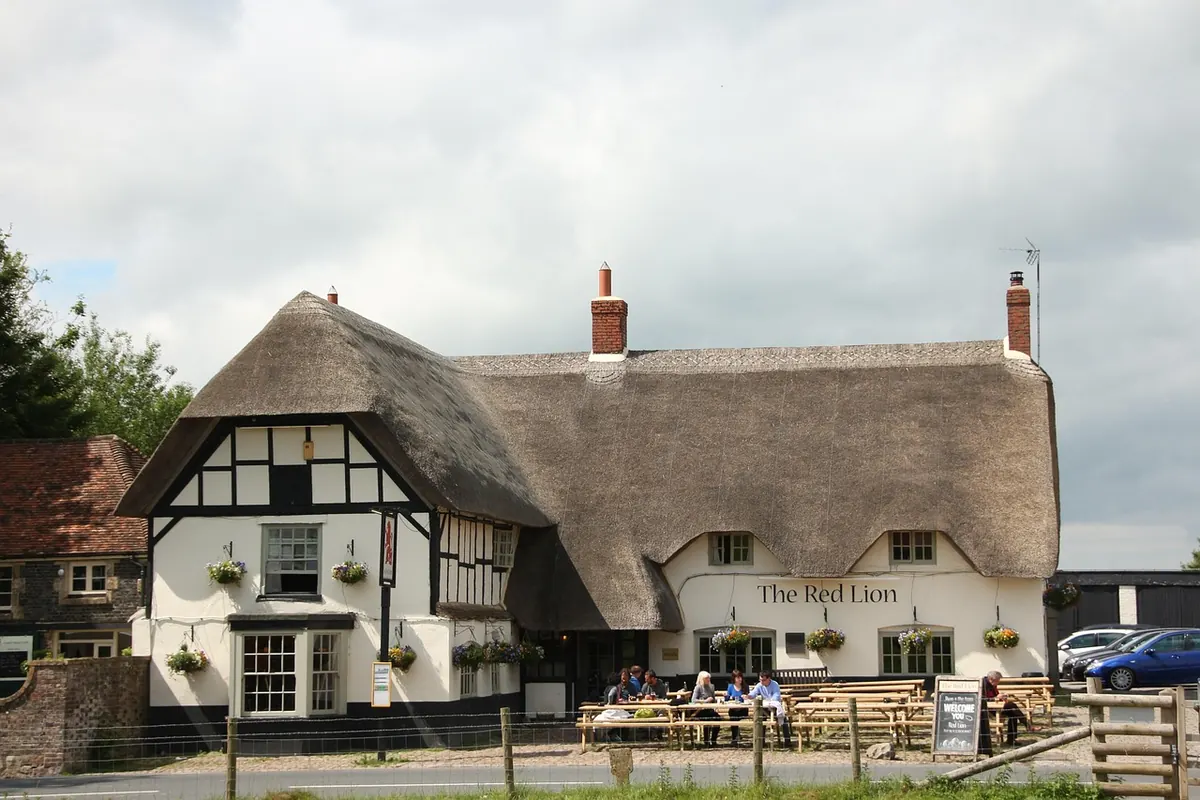
A pub is neutral ground. New members can arrive alone without it feeling like an ordeal, and they can leave when they like. There is no pressure on anyone to host, clean, or cater. Landlords, meanwhile, are usually pleased to fill a quiet corner on a slow night.
Two practical points. Ask first — do not turn up with nine people on a Friday and expect a table. Try Monday to Wednesday, which are often the quietest evenings, and check whether the pub has a quiz, a match or live music on the night you have in mind. Secondly, everyone buys their own drinks, and not everyone drinks alcohol: most pubs do a decent alcohol-free beer, coffee or soft drink. A book club is not a drinking club, and no one should feel out of place for ordering a lime and soda.
Six jobs to sort before you invite anyone
- Speak to the landlord or manager at a quiet time of day. Explain what you want: how many people, how often, which night. Ask about a back room or a corner away from the television and the fruit machine.
- Fix a night and a time. "Second Tuesday of the month, 7.30pm" beats a group chat that never settles on anything.
- Decide your comfortable size. Six to ten works well. Past twelve, the conversation splits into two anyway.
- Agree the money question upfront. Everyone pays for their own drinks. If a room comes with a minimum spend, say so before people commit.
- Choose the first book yourself, or with one other person. A first meeting does not need a committee.
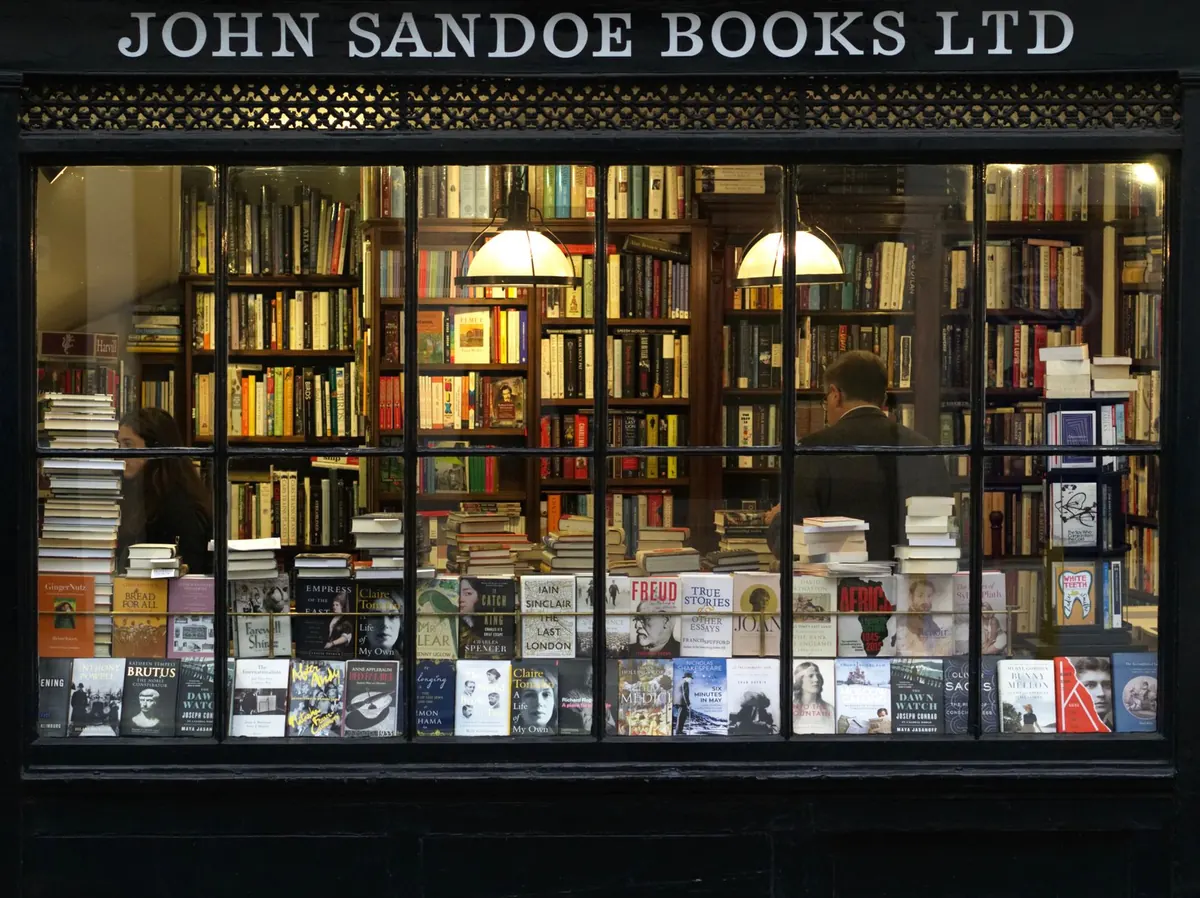
- Advertise in physical places. A note on the pub noticeboard, a card in the local bookshop, a message to the library and a post in a neighbourhood group will reach more people than you expect.
What a good meeting actually looks like
The shape of the evening
Arrive at 7.30, order drinks, chat for twenty minutes. Start on the book at around 7.50. Go round the group for one-line impressions, then work through three or four questions. At about 8.40, choose the next book and the next date while everyone is still in the room. Finish at nine; anyone who wants to stay on can. A fixed shape stops the evening drifting into general gossip before the book has been mentioned.
Questions that work better than "did you like it?"
- Which character did you trust least, and at what point did that change?
- Was there a moment where you wanted to argue with the author?
- What does the book leave out, and does that matter?
- Would you have made the same choice as the main character? Honestly?
Rotate who brings the questions each month, and give one person the job of keeping an eye on the clock so no one dominates. It is a conversation, not a seminar.
How to choose a book that gets people talking
Short beats ambitious. For a first read, look for something under 300 pages that is easy to find in paperback and likely to be on the library shelf. Ask at the counter whether they can help with multiple copies — some libraries do, and a bookshop may order a few in for you.
The best book club books are not simply good books. They contain a disagreement: an unreliable narrator, a decision you would have made differently, an ending that half the room will defend. Avoid anything enormous, and be relaxed about whether people finish. "Read as much as you can" is a kinder instruction than a deadline, and someone who stopped at page 80 still has something useful to say.
Twelve first reads for your first meeting
- Small Things Like These by Claire Keegan — barely 110 pages, set in the weeks before Christmas in 1980s Ireland. Everyone will finish it, and those final pages will fill an hour.
- The Sense of an Ending by Julian Barnes — a short novel about how badly memory behaves. Each reader ends up trusting the narrator a little less than the person beside them.
- Rebecca by Daphne du Maurier — atmospheric, gripping, and full of things to discuss: an unnamed narrator, a marriage shadowed by a dead woman, and a house that behaves like a character.
- The Remains of the Day by Kazuo Ishiguro — an English butler drives through the West Country and describes, gently and unreliably, a life he has mislaid.
- Kindred by Octavia Butler — a writer in 1970s California is pulled back to a Maryland plantation. Short chapters, enormous questions, and a plot that carries reluctant readers along.
- The Reluctant Fundamentalist by Mohsin Hamid — one long monologue in a Lahore café. The reader has to work out what is really being said, which makes for a lively hour.
- Piranesi by Susanna Clarke — strange, short and set in an endless house. Say nothing about the plot beforehand; the pleasure is in working out what is going on.
- The Dry by Jane Harper — a crime novel set in a drought-stricken Australian town. Ideal for a group that wants plot, with small-town secrets to pick over afterwards.
- A Month in the Country by J.L. Carr — under 150 pages, about a damaged man restoring a church mural over one Yorkshire summer. Quiet, and it lingers.
- The Five by Hallie Rubenhold — non-fiction about the women killed by Jack the Ripper, told without the Ripper. It resets a story most readers think they know.
- Normal People by Sally Rooney — short, sharp and reliably divisive. Half the group will find the central pair maddening, which is exactly what you want in month one.
- Wide Sargasso Sea by Jean Rhys — the prequel to Jane Eyre. It stands alone perfectly well, but anyone who has read Brontë will want to argue about it.
If your group leans lighter, swap one of these for The Thursday Murder Club by Richard Osman, which is easy to find in paperback and tends to coax the quietest member into speaking.
Three ways pub book clubs quietly fall apart
Deciding the next book by group chat. It never happens. Choose it in the room, on the night, even if the vote is rough.
Letting the reading become homework. If most people are behind, spend ten minutes on where everyone got to and discuss that. Guilt is the fastest way to lose members.
One person carrying everything. Share the jobs: someone asks the pub, someone writes the questions, someone keeps the dates. Rotate them monthly so no one burns out by March.
Your first meeting, in short
Ask the pub before you advertise. Pick a fixed night. Keep the group small and the first book short. Turn up early, sit somewhere you can hear each other, and start with a question that has no right answer. Choose the second book before anyone leaves the table, and set the next date there and then. Do that once, and the hardest part — getting it started — is behind you.
Photo: congerdesign / Pixabay