Beginner's Guide to UK Library Loans: 10 Free Ebooks and Audiobooks to Borrow First
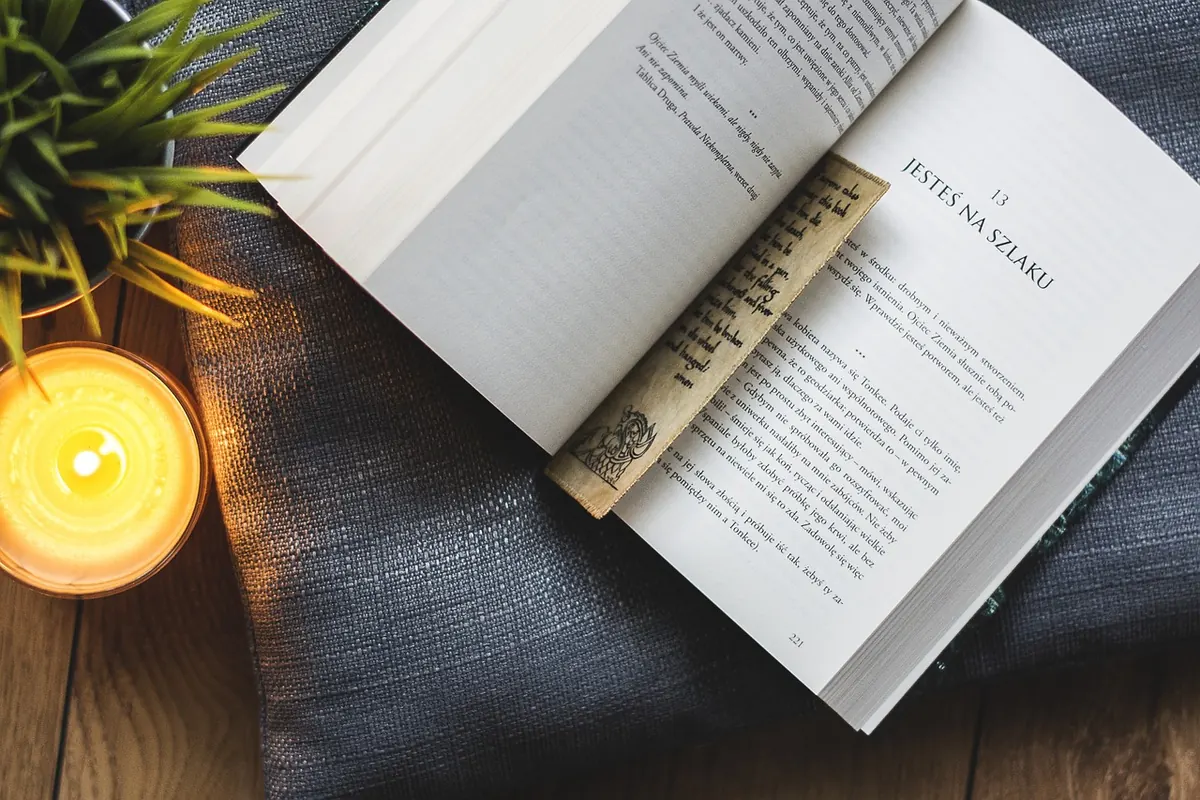
Most people join a library for the printing, the warm room on a wet Tuesday, or somewhere to take a toddler on a rainy afternoon. Then they discover the digital shelf, and everything changes. Thousands of ebooks and audiobooks, borrowed from the sofa at half past ten at night, returned automatically when the loan ends, and no late fees because nothing has to be handed back over a counter.
Your council tax already pays for this. The card is usually free to residents. What follows is how to get one, how the digital side works, and ten titles worth spending your first few loans on.
Joining takes ten minutes, and often no visit at all
Library services in the UK are run by individual councils, trusts and sometimes by groups of authorities working together, so the exact process varies. The broad shape is the same everywhere, though.
- Find your local service. Search for your council's library page rather than a general library website. That page will list the apps your membership covers.
- Apply online first. Many services issue a temporary or digital-only membership straight away, which lets you start borrowing before you have set foot in a building. You confirm your details later, either online or in person.
- Have your ID ready. For full membership, expect to show something with your name and address, such as a driving licence, a recent bill or a bank statement. Rules differ, so check before you travel.
- Note your card number and PIN. Both are usually needed to sign in to the reading apps, and the PIN is not always the one you chose.
- Ask about extra memberships. Some services allow people who work or study in the area to join as well as residents. If you commute, it is worth asking whether you can hold two cards.
The apps you will actually use
Nearly all UK digital lending runs through a small handful of platforms. Your library will tell you which ones it subscribes to, and they all work in a similar way.
- Libby (the consumer arm of OverDrive) is the most common. Strong ebook catalogue, good audiobook selection, a clean reading app, and a decent search that lets you filter for titles available right now.
- BorrowBox is widely used and particularly good for audiobooks, with a simple player and a decent sleep timer.
- PressReader covers newspapers and magazines, often with no limit on how much you read.
- Other platforms such as uLIBRARY or cloudLibrary appear in some areas. The borrowing rules are broadly the same.
One practical point about hardware: Kindle support through Libby is limited in the UK, so do not assume you will be able to send loans to a Kindle the way readers in the United States can. Most people read inside the app on a phone or tablet, or on a Kobo or similar e-reader. Check what your library supports before you build a plan around a particular device.
How digital loans work in practice
A digital copy works like a physical one. The library buys a set number of licences for a title, and each licence can be lent to one person at a time. That is why a popular book has a waiting list even though nothing physical is involved.
Loans typically run from one to three weeks depending on the service, and they return themselves on the due date. Many services also let you return early, which frees up a slot if you have a limit on how many titles you can hold at once. If nobody is waiting, most apps offer a renewal with a single tap.
When a title is out, you place a hold. You are joining a queue, not ordering a copy, so the app will give you an estimate rather than a promise. Turn on notifications and you will get an email or alert when your turn arrives. You usually have a short window to borrow it before it passes to the next person.
Ten free reads to borrow first
Availability changes constantly and differs by council, so treat this as a wish list rather than a guarantee. Where a title is popular, place the hold and read something else while you wait.
- The Thursday Murder Club by Richard Osman — a gentle, funny mystery set in a retirement village. The audiobook is an excellent first listen, and the plot is easy to follow while you walk or wash up.
- Rebecca by Daphne du Maurier — atmospheric, gripping and often sitting quietly on the shelf while newer thrillers have queues. A good reminder to browse the classics.
- Pride and Prejudice by Jane Austen — out of copyright and therefore almost always available, in both ebook and audiobook form.
- The Midnight Library by Matt Haig — a readable, warm novel about the lives you did not choose. Popular, so expect to wait.
- The Salt Path by Raynor Winn — a memoir about walking the South West Coast Path after losing a home and a livelihood. Honest, plain-spoken and hard to put down.
- Atomic Habits by James Clear — practical non-fiction that suits library borrowing, because you can read it once and take notes rather than needing it on a shelf forever.
- Small Island by Andrea Levy — a rich, funny and painful novel about postwar London and Jamaica. One of the best arguments for using a library card rather than a bestseller list.
- A Gentleman in Moscow by Amor Towles — a charming, unhurried novel about a man confined to a grand hotel. Long enough to feel like good value from a single loan.
- Becoming by Michelle Obama — the audiobook, read by the author, is a generous listen for a long journey.
- The Beekeeper of Aleppo by Christy Lefteri — a quiet, moving novel about a Syrian beekeeper and his wife. Short chapters make it easy to read in ten-minute stretches.
Small habits that make borrowing easier
- Filter by available now when you want something to read tonight, and by popularity when you are happy to plan ahead.
- Place holds in batches. Three or four running at once means something always lands.
- Check whether a title exists in both formats. An ebook might be out while the audiobook is free.
- Download audiobooks over home wi-fi before you travel, rather than relying on signal on a train.
- Return early if you are not enjoying a book. It costs nothing and shortens someone else's wait.
- If you are stuck on what to read next, ask a librarian. Staff recommendations remain the best search engine in the building.
Your first fortnight as a borrower
Start small. Join online today, install one app, and borrow one ebook and one audiobook. Give yourself a fortnight to get used to how holds and returns behave, and do not worry if you let a loan lapse — it will simply vanish from your shelf on the due date.
Then do the thing that turns a card into a habit: place two holds on books you genuinely want, and set a reminder for the day your current loan ends. Within a month or two you will have a reading life that costs nothing, fits into odd pockets of the day, and quietly gets better every time you use it.
Photo: Katrina_S / Pixabay