Comparing Paperback, Hardback and Ebook: Which Format Is Best for UK Readers?
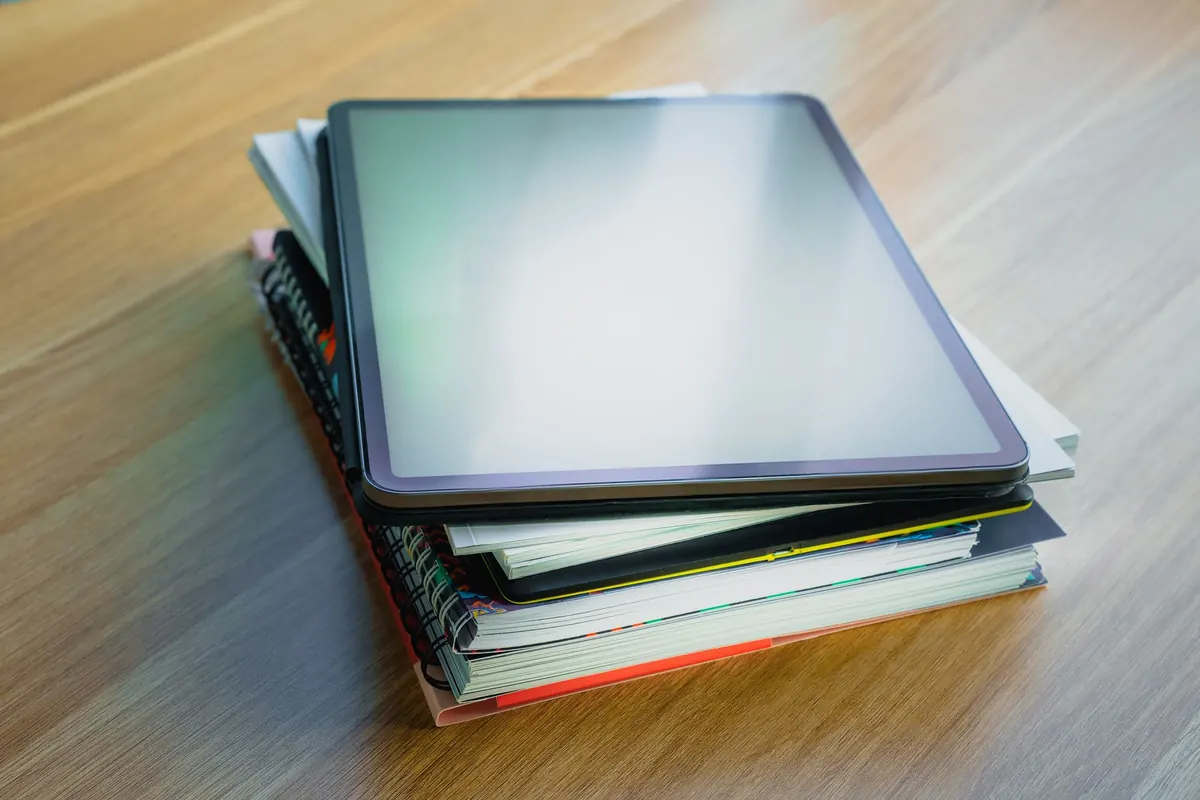
Three copies of the same book sit in front of you, and the choice between them has almost nothing to do with the words inside. A hardback on the coffee table, a paperback in your coat pocket, an e-book on your phone. Each one changes what you pay, how your wrists feel at chapter twenty, and whether the book is still in your house in five years. There is no single winner here. The useful question is which format suits the way you actually read.
Cost: what you pay, and when you pay it
Hardbacks arrive first and cost the most. Part of that price is timing: you get the book while everyone is still talking about it, in a sturdier object with more generous type and space on the page. Paperbacks follow later, usually cheaper, thinner and lighter. E-books avoid printing and shipping costs altogether, but that does not automatically make them a bargain — a new e-book is often priced close to the paperback, and discounts come and go with promotions.
A few ways to spend less without waiting forever:
- Use your library. Most UK libraries lend physical books free, and many lend e-books and audiobooks through their own apps.
- Shop second-hand. Charity shops, car boot sales and online second-hand sellers turn paperbacks into pocket-money purchases, and hardbacks into affordable ones.
- Wait for the paperback. If you can hold off until the paperback release, you often save a fair amount for nothing more than patience.
- Look for bundles. Some publishers and retailers offer a physical copy with the e-book included — worth checking before buying both separately.
There is a hidden cost line, too: resale. A hardback you bought new can usually be sold on or passed to a friend. A paperback can be donated or handed down. An e-book cannot be resold, and in most cases cannot be lent at all. If you like the idea of a book having a second life, that matters more than the sticker price.
Portability: bags, commutes and holidays
A hardback in a rucksack all day is noticeable by mid-afternoon. A paperback slides into a coat pocket, though it will not stay pristine. An e-reader weighs roughly the same as a slim paperback and can hold your whole to-read pile, which makes it the sensible choice if you read several books at once or finish one on a long journey and want the next waiting.
Reading on a phone works better than people admit, especially for short bursts on a bus, but notifications interrupt and the battery will not last a week. A dedicated e-reader with an e-ink screen keeps its charge for weeks and stays readable in bright sun, which is more than can be said for a glossy phone screen on a beach. Paper handles sand, sun cream and a dropped bag without complaint — a genuine advantage if your reading happens outdoors.
Shelf appeal: what stays in the house
Books on shelves work as memory. You can see what you read in 2019, spot a spine and remember exactly where you were. Hardbacks look particularly good as objects: jackets, thick boards, satisfying weight. They also make the easiest gifts, because a hardback feels like a decision rather than a cheap impulse.
Paperbacks are the practical version of the same pleasure. They take up less room per book, cost less to replace and travel easily between friends. E-books, of course, take up no space at all — a blessing when you are moving house, and a drawback if the sight of a full shelf is part of why you read. There is no lending an e-book to a neighbour on a wet Sunday.
Reading comfort: eyes, hands and page design
Comfort is where formats differ most, and where personal habits matter more than specifications.
Type, spacing and screen settings
E-readers win here. You can enlarge the text, widen the line spacing and swap fonts — genuinely useful if standard paperback type feels cramped. Many readers find a larger, well-spaced page means longer sessions with less tiredness.
Weight and position
Thick hardbacks are awkward one-handed in bed; a phone or e-reader is not. If you read lying down, or standing on a train, this is often the deciding factor.
Attention and sleep
Paper wins on distraction: no notifications, no temptation to check one more thing. If you read on a backlit screen late at night, turn the brightness right down and use warmer settings where available. If you regularly get headaches or eye strain while reading, get your eyes checked — an optician can rule out a simple need for reading glasses, which is a far more common cause than any screen.
Matching the format to the book
Most readers end up with a mix, and that is usually the right answer. A rough guide:
- Long novels and enormous series: e-reader, so the weight stays constant from page one to page nine hundred.
- Books you will reread and scribble in: paper. Pencil in the margin still beats a highlight you never revisit.
- Cookbooks, art books, maps and illustrated non-fiction: hardback, every time. Page-turning matters more than search.
- One-off holiday reads: e-book or a charity-shop paperback you can leave behind.
- Gifts: hardback, unless you know they only read on a device.
- Books you are unsure about: borrow it, or download a sample before committing.
How to choose without overthinking it
Ask three questions before you buy. Where will I actually read this — the sofa, the train, the bath? Will I want to keep it, lend it or give it away? And what is the sensible limit for my budget this month?
If the answer is "on the train, once, and cheaply", an e-book or a second-hand paperback is the obvious pick. If it is "at home, slowly, and I want it on the shelf afterwards", pay for the hardback and enjoy it. If you love the book enough to want both, borrow the hardback from the library first and buy the paperback when it appears.
None of these formats is better in the abstract. The best one is the copy you will genuinely finish — and the one that, months later, you are still glad to have on the shelf or still happy to open on your phone.
Photo: Jakub Zerdzicki / Pexels